



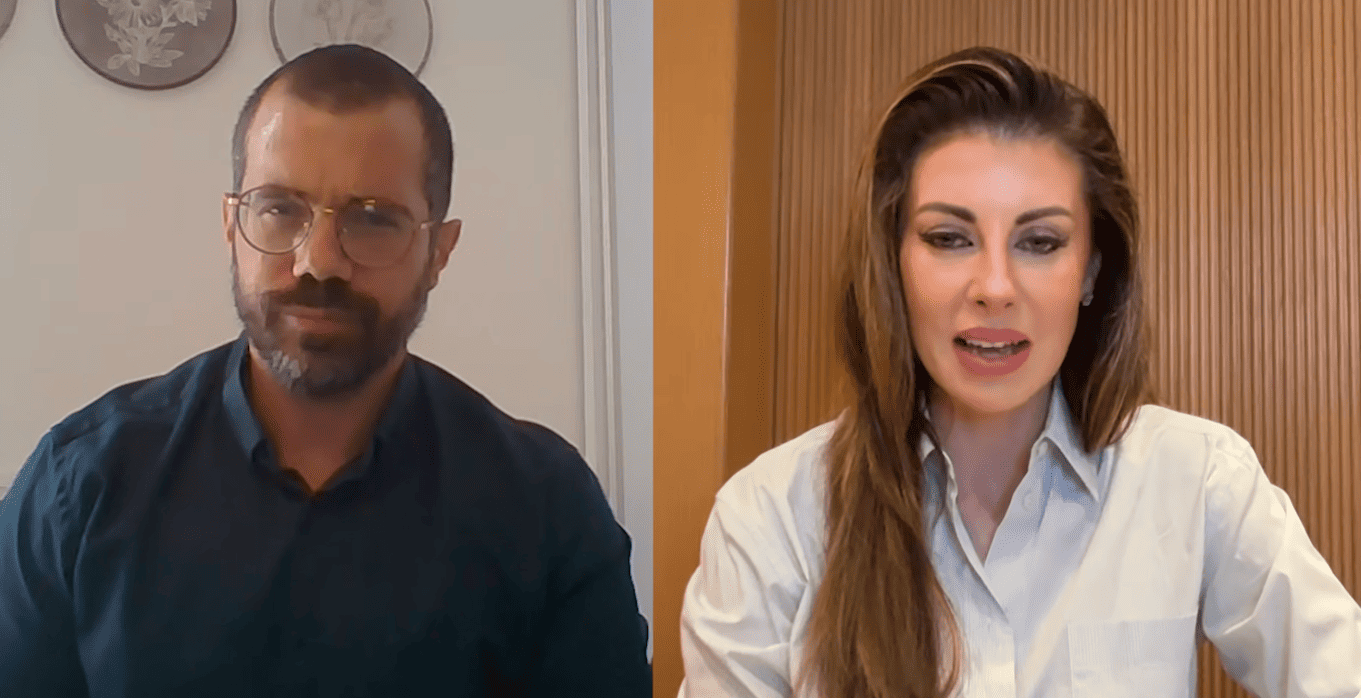
Former US deputy presidential envoy to the Middle East, Morgan Ortagus, reveals how she quietly pushed Israel and Lebanon toward direct talks, and why she says Hezbollah cannot survive without Iran.
Ortagus, who oversaw the Lebanon file as Deputy US Special Envoy for the Middle East under Steve Witkoff, sits down with The Jerusalem Post’s diplomatic reporter, Amichai Stain, to trace the behind-the-scenes effort to bring two neighbors who hadn’t negotiated directly since the 1980s into the same small room.
She describes reviving the military “mechanism,” bringing US Marines back to Beirut, and building trust one biweekly meeting at a time, while arguing the window opened by Nasrallah’s killing must not be squandered.
“Hezbollah essentially can’t really exist without the Islamic Republic,” Ortagus says, calling Iran the “thousand-pound elephant” behind every Lebanese calculation. She insists there is “no way to have internal security and stability with an armed Hezbollah,” and makes a blunt case to Lebanon’s communities that Israel is the one neighbor willing to fight for them against Tehran.
With negotiations now led by Secretary of State Marco Rubio and Michel Issa, her account explains what’s already been set in motion, and what still stands in the way.
The conversation also turns personal: why Ortagus wears a Star of David everywhere she negotiates, her reflections on her late friend Senator Lindsey Graham and their final conversation, and why she believes sanctions alone are “a tactic, not a strategy” against Iran.
It’s a candid, on-the-record look at the diplomacy shaping Israel’s northern border from one of the people who helped build it.
Chapters
00:00 – Iran’s operational control of Hezbollah (cold open)
00:58 – Taking the Lebanon file: the first-weekend crisis
04:33 – The opening after Israel killed Nasrallah
14:44 – Reviving the mechanism and returning Marines to Beirut
18:30 – How the 12-Day War with Iran reshaped Lebanon
30:51 – Faith on the front line: ‘I’ll die a proud Jew’