



Lebanon’s central bank governor is fighting to prevent a financial catastrophe that his institution did not create. Under mounting pressure from the International Monetary Fund, he is being asked whether to draw a line under a banking sector now viewed abroad as toxic.
But the outcome will not hinge on further circulars from the Banque du Liban. It will depend on whether bank shareholders themselves finally acknowledge that they own the problem — and can no longer outsource reform.
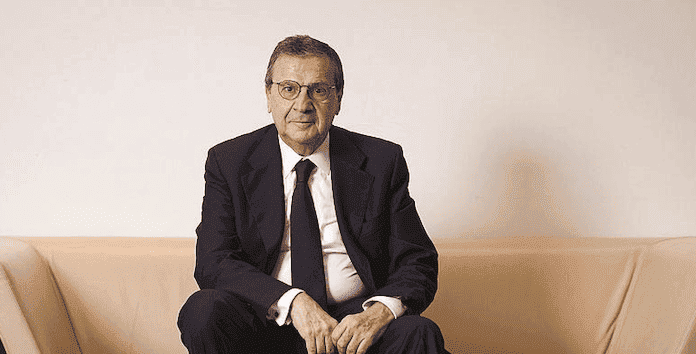
The disclosure that Bank Audi transferred US $280 million to a client close to its group chief executive, Samir Hanna, while insisting on the resignation of deputy CEO in the wake of Lebanon’s de facto capital-controls regime of late 2019 is a case in point. Ordinary depositors were told their money was “unavailable,” while insiders moved large sums abroad. Students stranded, pensioners dispossessed, vital treatment unpaid — and yet the connected faced no consequence.
This was not a matter of liquidity mis-calculation. It was a conscious betrayal of fiduciary duty. And while the regulator has responsibilities, the ultimate responsibility lies with those who own and control the banks.
Every shareholder in Lebanon’s banking system — domestic or foreign — has benefited from the veneer of legitimacy while ignoring deep-seated abuse. Some are international investors — including development banks that claim to champion transparency and governance — yet remain silent when it matters most. Their silence is complicity; their inaction is moral collapse.
If the IMF ultimately demands a sector-wide restructuring as a condition for financial assistance, it will not be because the regulator failed — it will be because bank shareholders failed to act. The Banque du Liban has placed misconduct on the table; it cannot overhaul boards or undo historic practices on their behalf.
The real test now is whether boardrooms in Beirut will show that they can govern themselves. That means demanding the resignation of directors and executives implicated in privileged transfers, insider deals and audit obstruction. It means opening books to independent scrutiny and disclosing who authorised major foreign transfers since 2019.
Bank Audi should lead that reckoning. Instead it has offered only silence — no explanation, no apology, no accountability. Its shareholders, many of them among Lebanon’s wealthiest families, appear content to let an entire sector’s reputation collapse rather than confront their peers.
This inertia is not just unethical — it is existentially self-destructive. Unless Lebanon’s key banks deliver prompt and visible reform, the IMF and global financial regulators are primed to isolate the system entirely. The Fund could withhold its endorsement of any economic-stabilisation package, delaying recovery for years.
A narrow window remains to avert that outcome. But it will close fast unless Lebanon’s financial elite demonstrate that they can police themselves. The central-bank governor has already placed the facts on the table. The moment for action now lies with the shareholders.
What Bank Audi did was not a lapse of judgement; it was the epitome of corruption, exposing the divide between a financial oligarchy that treated depositors as expendable and a citizenry that has paid the price of their indulgence.
If Lebanon’s banking elite refuse to act, the IMF will — and by then, no one should pretend to be surprised. The question is no longer whether the system can be saved, but whether its owners even want it to be.
Co Founder
Accountability Now