
Close Menu
    Facebook Instagram LinkedIn
    • العربية (Arabic)
    • English
    • Français (French)
    Facebook Instagram LinkedIn
    Middle East Transparent
    • Home
    • Categories
      1. Headlines
      2. Features
      3. Commentary
      4. Magazine
      5. Cash economy
      Featured
      Headlines Samara Azzi

      Saida and the Politics of a Surplus City

      Recent
      12 January 2026

      Saida and the Politics of a Surplus City

      12 January 2026

      If we accept the common narratives about Ashura, Karbala, and Hussein!

      12 January 2026

      Europe Must Stop Practicing “Competitive Détente” in the Arctic

    • Contact us
    • Archives
    • Subscribe
    • العربية (Arabic)
    • English
    • Français (French)
    Middle East Transparent
    You are at:Home»Categories»Headlines»If we accept the common narratives about Ashura, Karbala, and Hussein!

    If we accept the common narratives about Ashura, Karbala, and Hussein!

    0
    By Hussein Al-Wadi‘i on 12 January 2026 Headlines


    Shaffaf had published the Arabic version of this article, by Yemeni writer Hussein Al-Wadi‘i,
    on November 22, 2025. Today, we had the nice surprise of receiving the following translation from a Muslim friend who requested not to diclose his name. May this encourage other readers to do the same! 

    *


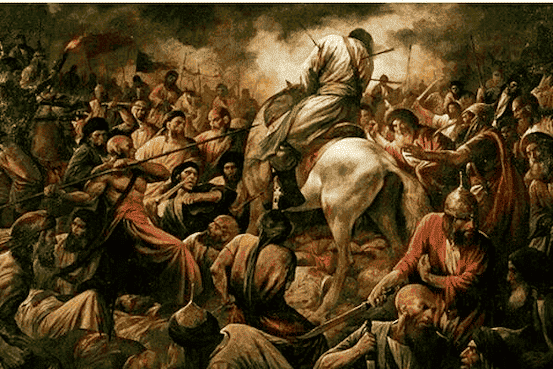
    If we accept the common narratives about Ashura, Karbala, and Hussein!

    If we accept these narratives, then by Islamic legal standards—Sunni and Shia—Hussein was a man who rebelled against the ruler.


    In classical Islamic law, rebelling against a ruler, even an unjust one, is punishable by death. So he received what the law prescribed.

    By political standards, he was an aging and naïve man.

    He failed to read power realities.

    He believed emotions and loyalty were enough to seize power from an empire whose forces stretched across three continents.

    By human standards, he had a narrow outlook.

    He believed power was a hereditary right of one family because of its kinship to the Prophet.

    His view of authority was priestly and sanctified rulers.

    From a religious perspective, he was not especially pious, ascetic, or devout.

    Like his father, his brother, and many senior companions, he married often, loved wealth and status, lived comfortably from public funds, and treated Muslim blood lightly in pursuit of power.

    If history is read objectively and rationally, there is no real difference between Hussein and Yazid.

    Hussein was neither an angel nor a devil.

    He was an ordinary man, shaped by his environment, its simplicity, and its ambitions.

    Even the idealized image—if we accept it—does not meet today’s standards of virtue.

    Any primary-school child today has more knowledge and moral awareness than Hussein’s basic, narcissistic belief in inherited rule.

    The romantic image was created by literature, even by prominent Arab leftists and Marxists.

    Ashura and Karbala were no more than a minor incident.

    Ideological and political propaganda turned it into a river of blood and chaos.


    Arabic Source:

    حسين الوادعي:  لو صدّقنا المَرويات حول عاشوراء وكربلاء والحسين


    Share. Facebook Twitter LinkedIn Email WhatsApp Copy Link
    Previous ArticleEurope Must Stop Practicing “Competitive Détente” in the Arctic
    Next Article Saida and the Politics of a Surplus City
    Subscribe
    Notify of
    guest
    guest
    0 Comments
    Newest
    Oldest Most Voted
    Inline Feedbacks
    View all comments
    RSS Recent post in french
    • Pourquoi la pomme de la tyrannie tombe-t-elle toujours ? 10 January 2026 Walid Sinno
    • La liberté comme dette — et comme devoir trahi par les gouvernants 2 January 2026 Walid Sinno
    • La « Gap Law »: pourquoi la précipitation, et pourquoi les Français ? 30 December 2025 Pierre-Étienne Renaudin
    • Au Liban, une réforme cruciale pour sortir enfin de la crise 23 December 2025 Sibylle Rizk
    • Le Grand Hôtel Abysse sert toujours des repas en 2025 16 December 2025 Walid Sinno
    RSS Recent post in arabic
    • ماذا يمكن ان يُراد لإيران؟ 11 January 2026 بدر أشكناني
    • انتهت اللعبة: الجمهورية الإسلامية تقترب من نهايتها مع تقارب القوى المناهضة للنظام 11 January 2026 رونالد ساندي
    • أموال رئيسة فنزويلا وأموال “مادورو” مجمّدة في سويسرا منذ 2018  10 January 2026 سويس أنفو
    • ليبيا واستراتيجية “القفل الفولاذي”: نموذج الاستقرار القسري 2026 10 January 2026 أبو القاسم المشاي
    • ثرثرة على ضفّة “الحركة” بمناسبة الذكرى الحادية والستين لانطلاقة حركة فتح! 10 January 2026 هشام دبسي
    26 February 2011

    Metransparent Preliminary Black List of Qaddafi’s Financial Aides Outside Libya

    6 December 2008

    Interview with Prof Hafiz Mohammad Saeed

    7 July 2009

    The messy state of the Hindu temples in Pakistan

    27 July 2009

    Sayed Mahmoud El Qemany Apeal to the World Conscience

    8 March 2022

    Russian Orthodox priests call for immediate end to war in Ukraine

    Recent Comments
    • اروپا باید تمرین «تنش‌زدایی رقابتی» در قطب شمال را متوقف کند - MORSHEDI on Europe Must Stop Practicing “Competitive Détente” in the Arctic
    • The Financial Stabilization and Deposits Repayment Act: A Controversial Step in Lebanon’s Crisis Management - Middle East Transparent on Statement by BDL Governor on the Draft Financial Stabilization and Deposits Repayment Act (FSDR Act)
    • The Financial Stabilization and Deposits Repayment Act: A Controversial Step in Lebanon’s Crisis Management - Middle East Transparent on Lebanon’s Financial Gap Resolution Plan: Legalizing the Heist
    • P. Akel on The Grand Hôtel Abysse Is Serving Meals in 2025
    • Rev Aso Patrick Vakporaye on Sex Talk for Muslim Women
    Donate
    © 2026 Middle East Transparent

    Type above and press Enter to search. Press Esc to cancel.

    wpDiscuz