



Shaffaf Exclusive
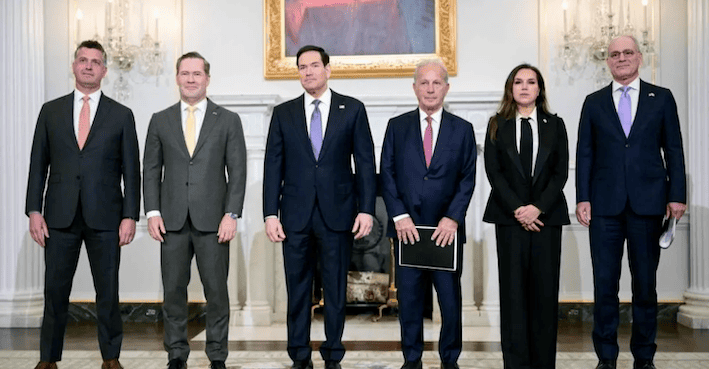
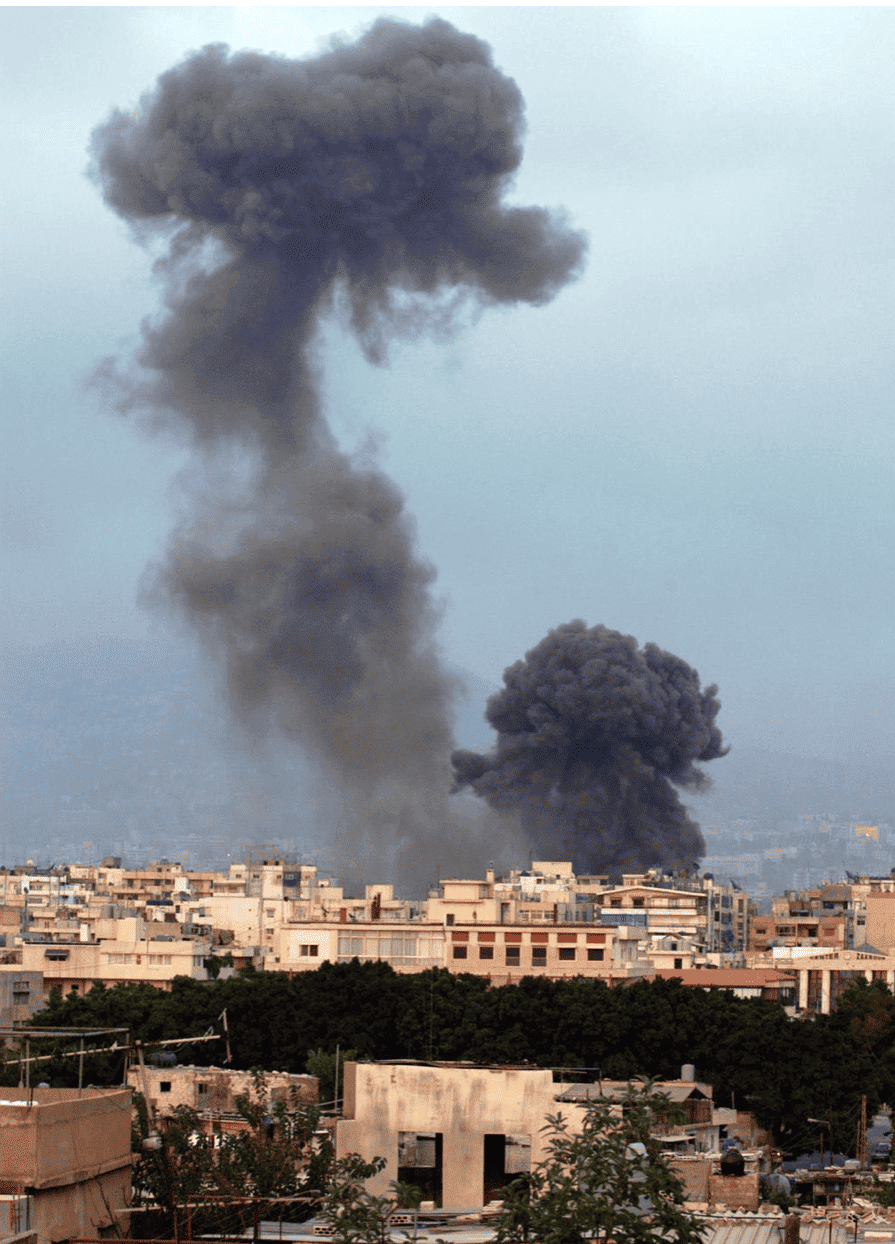
Today, after another round of destruction along the border, Donald Trump picked up the phone.
He called Joseph Aoun. He called Benjamin Netanyahu. A ceasefire followed. Then came something more dangerous than war, at least politically: the suggestion of peace.
An invitation to Washington.
And suddenly, the most uncomfortable idea in the Middle East resurfaced:
What if this conflict between israel and Lebanon is not inevitable?
What if it never was?
The Most Persistent Myth in the Middle East
We are told, constantly,that the conflict between Lebanon and Israel is rooted in ancient hatred. At least my generation was told that.
It is a convenient story. It absolves everyone of responsibility.
It is also false.
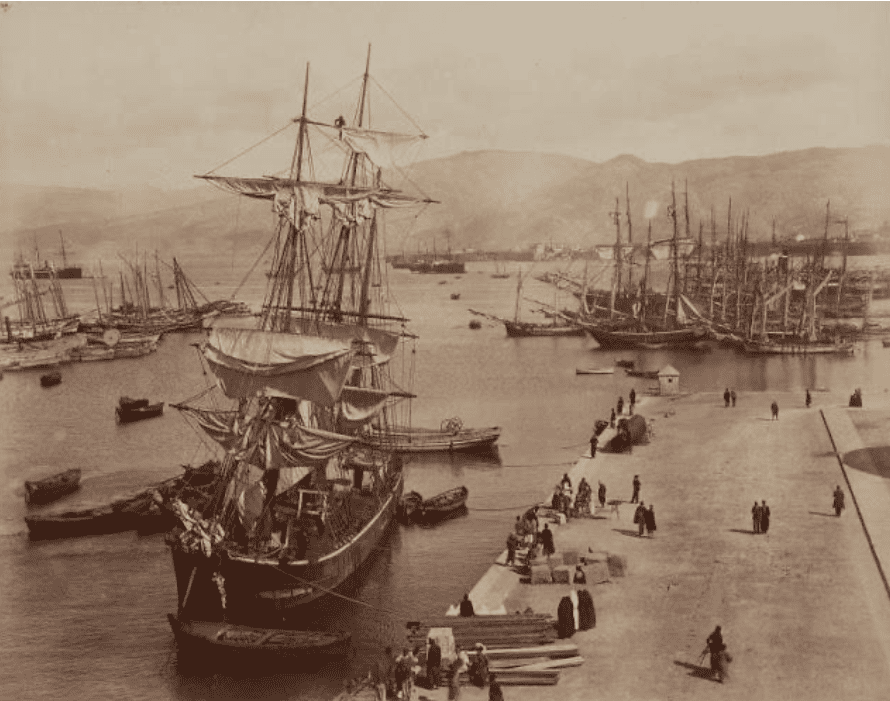
Before 1948, this conflict did not exist. Not in any meaningful sense. Not socially, not economically, not politically.
Under the Ottoman Empire, the region was interconnected:
- Beirut traded with Haifa
- People moved across what are now militarized borders
- Communities coexisted, not perfectly, but without permanent war
Even after the League of Nations imposed mandates, separation remained bureaucratic, not existential.
There were tensions. There were differences.
But there was no permanent war.
That came later.
1948: The Year the Narrative Was Written
The Arab-Israeli War of 1948 did not just create a battlefield. It created a mindset.
Lebanon joined the war cautiously, almost reluctantly. Its military engagement was limited. But the political consequences were absolute:
- A formal state of war that still exists
- A border transformed into a psychological barrier
- The absorption of regional conflict into Lebanon’s fragile internal system
From that moment on, conflict became self perpetuating.
Each war justified the next. Each militia justified its existence. Each failure of peace became proof that peace was impossible.
This is not ancient history. This is a system.
War Has Been Sustained—Not Inevitable
Consider this:
From 2006 until the early 2020s, there was no full-scale war between Lebanon and Israel.
Not because they made peace. Because they chose not to escalate.
That fragile deterrence, dismissed as temporary, lasted nearly two decades.
So let’s be honest:
If endless war were truly inevitable, it would not pause for twenty years.
The conflict persists not because it must, but because powerful actors benefit from its continuation.
Who Benefits From No Peace?
This is the question rarely asked and even more rarely answered.
- Hezbollah derives legitimacy from “resistance”
- Israeli politics often consolidates around external threats
- Regional powers project influence through proxy confrontation
- Lebanese factions use the conflict to avoid internal accountability
Peace is not blocked by history. It is blocked by incentives.
Why Today Is Politically Dangerous
What makes this moment different is not the ceasefire. It is the conversation.
Direct engagement. A U.S.-brokered opening. A Lebanese president willing to talk.
An Israeli leadership under pressure to stabilize its northern front.
Peace is not yet close.
But for the first time in years, it is being discussed seriously enough to threaten the status quo.
And that makes it dangerous.
If Peace Happens, It Will Disrupt More Than Borders
Because peace would not just end a war, it would dismantle entire political narratives.
Lebanon, today synonymous with crisis, could reposition itself rapidly:
- A regional tech and services hub
- A bridge between Gulf capital and European markets
- A magnet for one of the most influential diasporas in the world
And then there is the unspoken reality:
Peace would bring Lebanon into proximity, not just geographic, but economic, to Israel, one of the world’s leading innovation ecosystems.
That possibility is not utopian. It is logical. Which is precisely why it is resisted.
The Real Barrier Is Psychological
The hardest border to dismantle is not the one in the south.
It is the one in the mind. For decades, leaders and populations alike have been conditioned to believe:
Conflict is permanent, coexistence is naïve, peace is betrayal
But history tells a different story. The region did not begin in conflict.
It was organized into it.
So Here Is the Uncomfortable Truth
Nothing about this conflict is inevitable.
Not the wars.
Not the hostility.
Not even the current political structures that sustain it.
They are the result of decisions. And decisions can be reversed.
The Choice Ahead
This moment will not last.
Ceasefires in the Middle East expire. Opportunities close. Old patterns reassert themselves.
Unless something breaks the cycle.
Lebanon can remain a battlefield for other people’s wars.
Or it can become a platform for its own future.
Israel can remain locked in permanent northern confrontation.
Or it can redefine its strategic environment.
The past does not demand conflict. It only shows how easily it was constructed.
And how difficult, but possible, it is to dismantle.
Peace Is Not Naïve. Denying It Is.
The most radical idea in the Middle East today is not war.
It is the recognition that war is a choice.
And if it is a choice—
Then so is peace.