



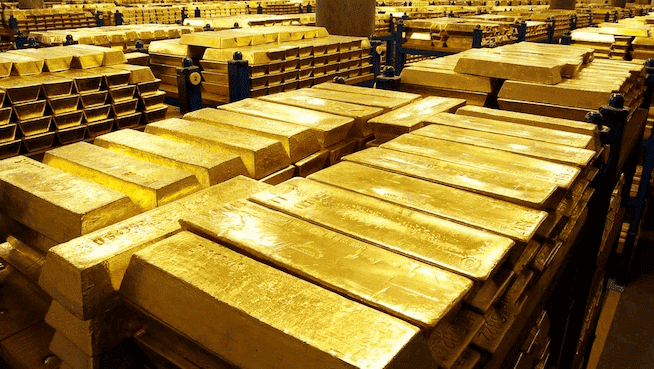
Lebanon’s political theatre has reached a new low with parliamentarians opposing any sale of the country’s gold reserves at the Banque du Liban. Leading the charge are so-called leftist and “social justice” MPs–many of whom have overseen, enabled, or directly benefited from the systematic looting of the state and, ultimately, of depositors’ money.
These MPs now cloak themselves in moral righteousness, claiming that Lebanon’s gold is a “sovereign asset” that must not be touched, especially not for the benefit of depositors or the banking sector. Their argument is deceptively simple: depositors represent only a small percentage of the population, and therefore do not deserve priority.
This argument is not only dishonest—it is dangerous.
Who Are the Depositors, Really?
Depositors are not a privileged elite. They are the working and middle classes. They are the salaried employees, business owners, professionals, and retirees who paid taxes for decades while the government ran persistent deficits. Their savings were used—-without consent—to finance the state’s excesses, clientelism, and corruption.
To now argue that these same citizens should absorb the losses, while politicians protect a frozen symbol of “national wealth,” is economic illiteracy wrapped in populist bravado.
Gold: Lebanon’s Only Financial Success Story
Lebanon’s gold reserves are, ironically, one of the very few success stories in the country’s financial collapse. While every other asset class has imploded, gold has appreciated in value. Treating this asset as a sacred relic rather than a financial tool is not patriotism, it is negligence.
Let’s be clear: no one is arguing to liquidate all the gold and hand it out irresponsibly. The proposal is far more rational and restrained:
This is standard asset management. Freezing capital while the economy suffocates is not ideology, it is incompetence.
Are These MPs Listening to Their Own Voters?
If these parliamentarians truly believe they represent “the people,” they should test that belief.
A simple poll among their own electorates, especially those who lost access to their bank deposits, would reveal a painful truth: most citizens are not chanting “protect the gold.” They are screaming, “Give me back my money.”
The performative speeches in parliament may play well on social media or within ideological echo chambers, but they ring hollow to families struggling to pay rent, medical bills, and school fees.
Memory Matters at the Ballot Box
Lebanese citizens should take note of who blocked pragmatic solutions in the name of ideological purity. When the next election comes, voters must remember who chose symbolism over survival, posturing over policy, and slogans over solutions.
Lebanon cannot tax its way out of collapse. Continuous tax hikes on a shrinking economy will only deepen poverty and accelerate emigration. Liquidity must come from somewhere, and refusing to responsibly mobilize existing assets condemns the country to stagnation.
The Bottom Line
Lebanon does not need more speeches. It needs capital, investment, and economic momentum. Partial, strategic use of gold reserves, done transparently and professionally, could help kick-start that process.
Blocking this path is not an act of resistance. It is an act of abandonment.
And the people are watching.