
Close Menu
    Facebook Instagram LinkedIn
    • العربية (Arabic)
    • English
    • Français (French)
    Facebook Instagram LinkedIn
    Middle East Transparent
    • Home
    • Categories
      1. Headlines
      2. Features
      3. Commentary
      4. Magazine
      5. Cash economy
      Featured
      Headlines Khalil Youssef Beidas

      The Panic Seeps to Dodge City

      Recent
      25 January 2026

      Federalism Is the Only Shield Lebanon and Iraq Have Left in a Nuclearizing Middle East

      25 January 2026

      The Panic Seeps to Dodge City

      23 January 2026

      Inside the Bank Audi Play: How Public Money Became Private Profit

    • Contact us
    • Archives
    • Subscribe
    • العربية (Arabic)
    • English
    • Français (French)
    Middle East Transparent
    You are at:Home»Categories»Headlines»Senior IDF official admits Israeli culpability for Syria T-4 strike

    Senior IDF official admits Israeli culpability for Syria T-4 strike

    0
    By Ynet on 16 April 2018 Headlines

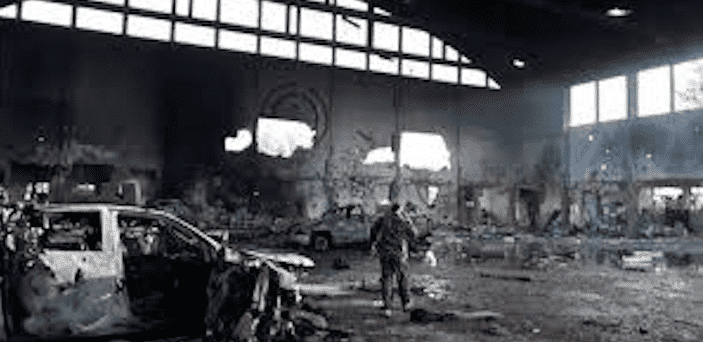
    In a first-of-its-kind admission of responsibility, unnamed IDF source confirms to New York Times columnist Thomas Friedman strike on drone base was carried out by Israel, ‘first time live Iranian targets’ were hit; Friedman reveals one of strike’s casualties was commander of Quds Force’s drone unit.

    A senior IDF official confirmed to the New York Times in an article published Monday that the strike on the Tiyas Military Airbase in Syria’s Homs last week was intended to hit Iranian installations and personnel.Speaking to the newspaper’s senior analyst Thomas Friedman, the officer said the attack—which claimed the lives of seven Iranian soldiers—was “the first time we attacked live Iranian targets—both facilities and people.”

    In the rare admission of Israeli culpability for a strike, the officer told Friedman, “This is the first time we saw Iran do something against Israel, not by proxy. This opened a new period.”

    The IDF recently released a statement saying the drone was carrying explosives and was intended to be used to carry out a terror attack on Israeli soil.

    The Times’ analysis piece, titled “The Real Next War in Syria: Iran vs. Israel”, noted that one of the Iranian casualties in the strike on the T-4 base was Col. Mehdi Dehghan, leader of the Islamic Revolutionary Guard Corps’s Quds Force’s drone unit.
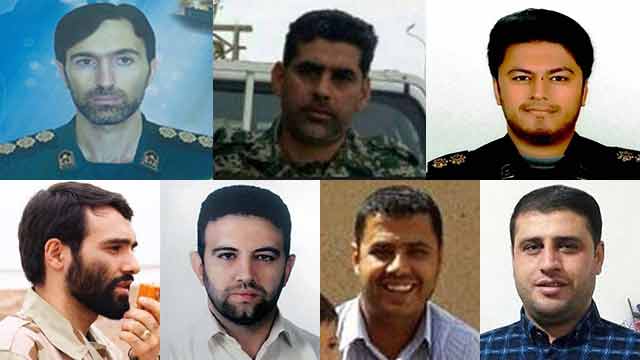
    The strike's Iranian casualties, with Col. Dehghan top leftThe strike’s Iranian casualties, with Col. Dehghan top left

    Global attention was diverted from the Israeli attack, Friedman wrote, and focused on the lead-up to the American-led strike on the Syrian chemical weapons facilities, the strike itself and its aftermath.
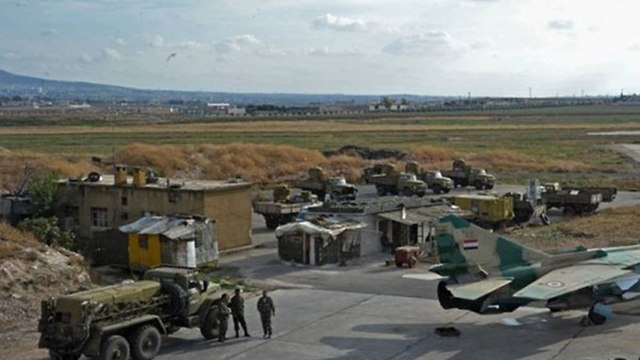
    It remained unclear how the aforementioned strike will sway tensions engendered between Israel and Iran over the latter’s presence and entrenchment in Syria, on the backdrop of the attack on the Iranian drone complex created within the Syrian air force’s T-4 base near Homs early last week—which was attributed to Israel.
    The IDF was girding itself for an Iranian retaliation, the Times article said, but expected it to be proportional and measured. If such a retaliatory strike carried a toll of Israeli lives, however, tensions may spill over in the already combustible region.
    Several moves undertaken last week attested to the Iranian determination to retaliate, Friedman said. first is the Iranian admission that its officers were killed in the original strike and their intentionally public and publicized funeral in Tehran—contrary to previous instances of Iranian casualties being severely downplayed by the Islamic republic.
    Second is the Russian statement outing the identity of the country that carried out the strike—fingering Israel—and the third is repeated statements by Iranians officials that Israel will suffer a counterstrike.

    Russia pointed blame at Israel for the strike on the baseRussia pointed blame at Israel for the strike on the base

    By unveiling last week that the Iranian drone that entered the Jordan Valley through Syrian airspace two months ago was to be used to carry out an attack in the country, Israel wanted to send a message to all of the actors involved—chiefly Russia—regarding the fact that Iran is not directly operating against Israel in belligerent actions both on and above the ground.

    The IDF is therefore permitted to do its part to stop the Iranian entrenchment in Syria, as per the Times’ columnist.However, Israel was still doing its due diligence to prevent a possible Iranian retaliatory strike by sending messages through indirect channels, conveying the reasons such a strike will only harm all those involved.If such a strike was to take place, Israel believed, Iranians in Syria will once again be attacked, Syria itself will be punished for allowing the retaliation to be launched from its territory and Russia will be find it hard to attain stability in Syria so long as Iran is using it as staging grounds for terrorism.

    YNET

    Share. Facebook Twitter LinkedIn Email WhatsApp Copy Link
    Previous ArticleThe Massacre of Arab Nationalism
    Next Article The Real Next War in Syria: Iran vs. Israel
    Subscribe
    Notify of
    guest
    guest
    0 Comments
    Newest
    Oldest Most Voted
    Inline Feedbacks
    View all comments
    RSS Recent post in french
    • Au Liban, des transactions immobilières de l’OLP suscitent des questions 18 January 2026 L'Orient Le Jour
    • Pourquoi la pomme de la tyrannie tombe-t-elle toujours ? 10 January 2026 Walid Sinno
    • La liberté comme dette — et comme devoir trahi par les gouvernants 2 January 2026 Walid Sinno
    • La « Gap Law »: pourquoi la précipitation, et pourquoi les Français ? 30 December 2025 Pierre-Étienne Renaudin
    • Au Liban, une réforme cruciale pour sortir enfin de la crise 23 December 2025 Sibylle Rizk
    RSS Recent post in arabic
    • لِشهرين أم لِسنتين: الانتخابات النيابية مؤجّلة حُكماً! 25 January 2026 كمال ريشا
    • ثرثرة على ضفة الحركة (2): “الفلسطينيّة” و”العربيّة” 25 January 2026 هشام دبسي
    • الهَلَع يتسرَّب إلى دودج سيتي 25 January 2026 خليل يوسف بيدس
    • قضية “بنك عودة”: كيف تحوّلت الأموال العامة إلى أرباح خاصة 24 January 2026 سمارة القزّي
    • حوارٌ ضروري حول قبرص، والأمن، ونصف القصة الغائب 24 January 2026 يوسف كانلي
    26 February 2011

    Metransparent Preliminary Black List of Qaddafi’s Financial Aides Outside Libya

    6 December 2008

    Interview with Prof Hafiz Mohammad Saeed

    7 July 2009

    The messy state of the Hindu temples in Pakistan

    27 July 2009

    Sayed Mahmoud El Qemany Apeal to the World Conscience

    8 March 2022

    Russian Orthodox priests call for immediate end to war in Ukraine

    Recent Comments
    • Nadim Shehadi on The Panic Seeps to Dodge City
    • Yusuf Kanli on A necessary conversation: On Cyprus, security, and the missing half of the story
    • Mohamed on Inside the Bank Audi Play: How Public Money Became Private Profit
    • JudgmentalOne on A necessary conversation: On Cyprus, security, and the missing half of the story
    • Drivers Behind Audi’s Top-Level Management Shake-Up - Middle East Transparent on Lebanon’s banks are running out of excuses
    Donate
    © 2026 Middle East Transparent

    Type above and press Enter to search. Press Esc to cancel.

    wpDiscuz