



The Trump administration has asked Israel to reduce “non-urgent” military action in Lebanon to bolster the Lebanese government’s decision to start the process of disarming Hezbollah, two sources with direct knowledge tell Axios.
Why it matters: The Lebanese cabinet’s unprecedented decision to prepare to disarm Hezbollah came at the urging of the U.S., but many in the region doubt the government will be able to carry it out. The Trump administration thinks reciprocal steps by Israel would give Beirut more space and credibility to follow through.
State of play: Since the Israel-Hezbollah ceasefire in Lebanon last November, Israel has still conducted almost daily air strikes in Lebanon.
- Israel claims it’s acting in response to Hezbollah violations, or threats that weren’t addressed by the Lebanese government. Lebanese officials have rejected those claims and condemned Israel for violating the ceasefire and its sovereignty.
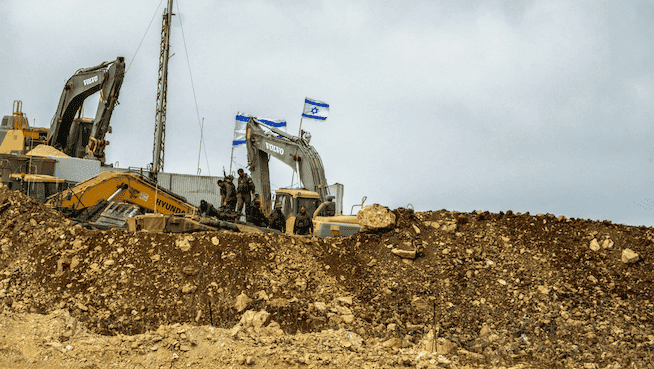
- Israel also continues to occupy Lebanese land by maintaining its presence in five military outposts in southern Lebanon. Israel has said it will remain in these outposts as long as Hezbollah is a threat.
- The Trump administration has now asked Israel to consider withdrawing from one outpost and significantly reducing air strikes for a few weeks as an initial step to show willingness to cooperate with the Lebanese effort.
Driving the news: The Lebanese cabinet decision two weeks ago ordered the military to prepare a plan for disarming all non-state armed groups to give the state a monopoly over weapons.
- The decision was made under pressure from the Trump administration, which has demanded Hezbollah be disarmed by the end of 2025.
- Hezbollah rejected the cabinet decision and threatened that “there will be no life in Lebanon” if the government tries to enforce it.
Behind the scenes: U.S. envoy Tom Barrack has been discussing with the Israeli government steps that Israel could take in parallel to the disarming of Hezbollah, the sources said.
- The U.S. plan calls for a temporary pause on “non-urgent” strikes that could be extended if the Lebanese military takes more action to prevent Hezbollah from reestablishing itself in southern Lebanon.
- Barrack also proposed a step-by-step withdrawal from the five outposts in response to practical steps from the Lebanese government to disarm Hezbollah, the sources said.
- According to the sources, the U.S. plan also envisions a “Trump economic zone” in parts of southern Lebanon adjacent to the border with Israel. Saudi Arabia and Qatar have already agreed to invest in the reconstruction of these areas after Israel’s withdrawal is complete.
- The idea is that the economic zone will make it much harder for Hezbollah to reestablish a military presence close to the Israeli border, and therefore Israel’s security concerns will be addressed without an occupation.
State of play: The most recent discussion of these issues came Wednesday in Paris, when Israeli Strategic Affairs Minister Ron Dermer met for several hours with Barrack and U.S. diplomat Morgan Ortagus.
- One source said there was progress but no final decisions. “The Israelis didn’t say no and they are willing to give it a chance. They understand that what the Lebanese cabinet did was historic and that they need to give something back.”