
Close Menu
    Facebook Instagram LinkedIn
    • العربية (Arabic)
    • English
    • Français (French)
    Facebook Instagram LinkedIn
    Middle East Transparent
    • Home
    • Categories
      1. Headlines
      2. Features
      3. Commentary
      4. Magazine
      5. Cash economy
      Featured
      Headlines Samara Azzi

      Correction on “Inside the Bank Audi Play Article”!

      Recent
      28 January 2026

      Correction on “Inside the Bank Audi Play Article”!

      25 January 2026

      Federalism Is the Only Shield Lebanon and Iraq Have Left in a Nuclearizing Middle East

      25 January 2026

      The Panic Seeps to Dodge City

    • Contact us
    • Archives
    • Subscribe
    • العربية (Arabic)
    • English
    • Français (French)
    Middle East Transparent
    You are at:Home»Categories»Headlines»Pope Francis Rejects Proposal to Allow Married Priests in Remote Areas

    Pope Francis Rejects Proposal to Allow Married Priests in Remote Areas

    0
    By NYT on 12 February 2020 Headlines

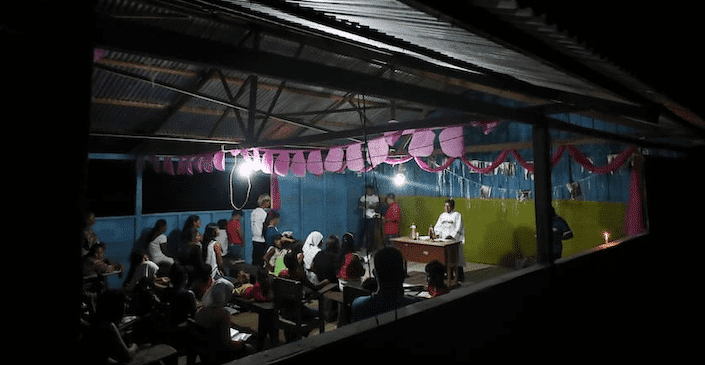
    A prayer ceremony led by a missionary at a church in Santa Rosa, Brazil. In remote Amazon communities, villagers can go for months without sacraments that only priests are allowed to deliver.

    The decision is a victory for conservative forces who had warned that the change would be a slippery slope to the thrashing of church traditions.

    By Jason Horowitz and Elisabetta Povoledo

    VATICAN CITY — Pope Francis has rejected a proposal made by bishops at a landmark meeting in October to allow the ordination of married men in remote areas, a potentially momentous change that conservatives had warned would set the Roman Catholic Church on a slippery slope toward the lifting of priestly celibacy and the thrashing of church traditions.

    Francis’ decision, in a papal letter with the power of church teaching that was made public by the Vatican on Wednesday, surprised many given his openness to questions of priestly celibacy in “far-flung places” and his oft expressed desire for a more collegial and less bureaucratic church.

    The pope’s supporters had hoped for revolutionary change. But the decision, coming seven years into his papacy, raised the question of whether Francis’ promotion of discussing once-taboo issues is resulting in a pontificate that is largely talk.

    His closest advisers have already acknowledged that the pope’s impact has waned on the global stage, especially on core issues like immigration and the environment. His legacy, they have said, will ultimately reside inside the church where his authority is absolute.

    The pope’s refusal to allow married priests was likely to delight conservatives, many of whom have come to see Francis and his emphasis on a more pastoral and inclusive church as a grave threat to the rules, orthodoxy and traditions of the faith.

    The recommendation to allow married priests in remote areas was approved by more than two-thirds of the bishops who attended a summit on the issue in October. The proposal set off a vigorous debate within the church.

    Progressives said it was high time the church recognized reality and the demands of the faithful; conservatives called it a threat to the priesthood, and warned that married priests would follow everywhere, including in the heart of Europe. Even the pope’s predecessor, Benedict XVI, put a finger on the scale, arguing for priestly celibacy.

    Despite the expectations, Francis backed off.

    Writing that “a specific and courageous response is required of the Church,” Francis argued that access to the sacraments need to be increased in “the remotest” places, but that a “priest alone” can celebrate communion or absolve sins.

    THE NEW YORK TIMES

    Share. Facebook Twitter LinkedIn Email WhatsApp Copy Link
    Previous ArticleReferendum-like vote in North Cyprus
    Next Article الإسلام السياسي.. وديمقراطيته
    Subscribe
    Notify of
    guest
    guest
    0 Comments
    Newest
    Oldest Most Voted
    Inline Feedbacks
    View all comments
    RSS Recent post in french
    • Au Liban, des transactions immobilières de l’OLP suscitent des questions 18 January 2026 L'Orient Le Jour
    • Pourquoi la pomme de la tyrannie tombe-t-elle toujours ? 10 January 2026 Walid Sinno
    • La liberté comme dette — et comme devoir trahi par les gouvernants 2 January 2026 Walid Sinno
    • La « Gap Law »: pourquoi la précipitation, et pourquoi les Français ? 30 December 2025 Pierre-Étienne Renaudin
    • Au Liban, une réforme cruciale pour sortir enfin de la crise 23 December 2025 Sibylle Rizk
    RSS Recent post in arabic
    • “أبو عُمَر”: واحد إم إثنان؟ 28 January 2026 خاص بالشفاف
    • (شاهد الفيديو ولا تضحك): “دويلة تعتقل دولة وتصادر شاحنتي سلاح مُهَرَّب من سوريا! 27 January 2026 إم تي في
    • لِشهرين أم لِسنتين: الانتخابات النيابية مؤجّلة حُكماً! 25 January 2026 كمال ريشا
    • ثرثرة على ضفة الحركة (2): “الفلسطينيّة” و”العربيّة” 25 January 2026 هشام دبسي
    • الهَلَع يتسرَّب إلى دودج سيتي 25 January 2026 خليل يوسف بيدس
    26 February 2011

    Metransparent Preliminary Black List of Qaddafi’s Financial Aides Outside Libya

    6 December 2008

    Interview with Prof Hafiz Mohammad Saeed

    7 July 2009

    The messy state of the Hindu temples in Pakistan

    27 July 2009

    Sayed Mahmoud El Qemany Apeal to the World Conscience

    8 March 2022

    Russian Orthodox priests call for immediate end to war in Ukraine

    Recent Comments
    • Nadim Shehadi on The Panic Seeps to Dodge City
    • Yusuf Kanli on A necessary conversation: On Cyprus, security, and the missing half of the story
    • Mohamed on Inside the Bank Audi Play: How Public Money Became Private Profit
    • JudgmentalOne on A necessary conversation: On Cyprus, security, and the missing half of the story
    • Drivers Behind Audi’s Top-Level Management Shake-Up - Middle East Transparent on Lebanon’s banks are running out of excuses
    Donate
    © 2026 Middle East Transparent

    Type above and press Enter to search. Press Esc to cancel.

    wpDiscuz