



I am sitting at the breakfast table. Beyond the window, a man-made lake is partially frozen, carrying the quiet dignity of an early winter morning. Cormorants dive beneath the surface and reappear a few meters away. Ducks hesitate, testing the thin line between water and ice. The cold settles over the lake like a deliberate pause, yet life seems unbothered. From the far end, a sizeable flock approaches quickly, wings sketching an uncertain boundary between air and water.
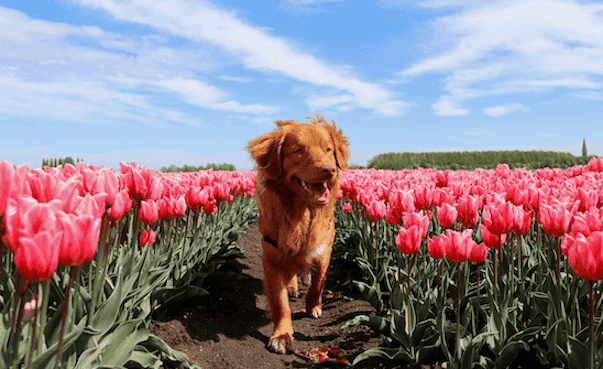
It is the morning after Christmas. Despite the cold, a few people are out walking along the lake. Some wear headphones, others seem immersed in their thoughts. Among them are neighbors walking their dogs. Leashes hang loose. Steps are unhurried. The dogs move calmly, alert but relaxed, in rhythm with their owners. Only then does it become fully apparent: there are no stray animals here. No scavenging, no fear, no cautious distance from humans. Everything appears settled, as if it belongs.
The question surfaces almost involuntarily. When did the Netherlands solve this problem?
There is no single date, no dramatic decree. There is, instead, a long and steady resolve. Animal protection efforts here began in the 19th century, matured through postwar legislation, and were sustained by a simple but demanding principle: address the cause, not the symptom. Stray animals were not erased from sight but absorbed into a system built on responsibility. Neutering, vaccination, registration, adoption, enforcement, education. Decade after decade. No shortcuts. No spectacles. No cruelty disguised as efficiency.
By the early 2000s, the streets were empty of strays, not because animals were removed, but because abandonment had become socially, legally, and practically impossible.
Looking at this calm scene, it is hard not to think of places where the logic is reversed.
Türkiye’s struggle with stray animals is not a story of excess compassion, but of fragmented governance. Laws punish the visible outcome while ignoring the invisible machinery that produces it. Registration without enforcement. Shelters without capacity. Calls for collection without clarity. In some municipalities, even feeding stray animals has been banned, as if hunger itself were the offense. As if compassion were the problem to be managed.
It is the same reflex seen elsewhere, in larger and far more tragic contexts.
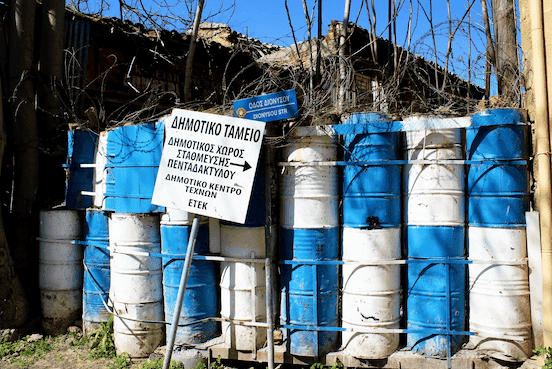
In Cyprus, for decades, the conflict has been “managed” rather than resolved. Buffer zones maintained, negotiations recycled, tensions frozen like this lake outside my window. The problem is not allowed to explode, but neither is it drained. The mosquitoes return every summer.
In Syria, the language of management has been even more devastating. Human suffering reduced to containment strategies. Refugees treated as logistical burdens rather than people. Ceasefires that pause violence without addressing its roots. Here, too, the swamp remains intact, breeding new crises with grim predictability.
Across regions and issues, the pattern repeats. We grow skilled at chasing mosquitoes. We deploy bans, penalties, emergency measures, temporary fixes. We congratulate ourselves on short-term calm. Meanwhile, the swamp quietly deepens.
I look back toward the lake. A low wooden bridge stands in the distance, too low for large boats to pass. Strangely, that limitation feels comforting. Only small boats come this far, only those that are light, unhurried, content simply to exist. Further out, a small rowboat carries three people. A father, perhaps, with two children. He rows slowly, deliberately. Maybe they are heading to an open market, maybe they simply wanted to be on the water on Christmas morning.
Inside the house, there was a brief commotion earlier. My grandson fell off the couch. A small fall, a surge of concern. His sister, startled, tried to redirect some of the attention back to herself. The purest form of life. Falling, being noticed, sharing, resenting, and then quickly forgetting.
The smell of pancakes rises from the pan, blending with the aroma of strong tea. Fresh pastries sit at the center of the table. Outside, the cold persists. Inside, warmth gathers. The lake tries to freeze; life quietly resists. The dogs finish their walks and return home. The birds continue their morning routines.
Living is a beautiful thing.
But beauty, like justice, does not emerge from reaction alone. It requires patience, structure, and the courage to drain the swamp, rather than spending a lifetime chasing mosquitoes.