
Close Menu
    Facebook Instagram LinkedIn
    • العربية (Arabic)
    • English
    • Français (French)
    Facebook Instagram LinkedIn
    Middle East Transparent
    • Home
    • Categories
      1. Headlines
      2. Features
      3. Commentary
      4. Magazine
      5. Cash economy
      Featured
      Headlines Khalil Youssef Beidas

      The Panic Seeps to Dodge City

      Recent
      25 January 2026

      Federalism Is the Only Shield Lebanon and Iraq Have Left in a Nuclearizing Middle East

      25 January 2026

      The Panic Seeps to Dodge City

      23 January 2026

      Inside the Bank Audi Play: How Public Money Became Private Profit

    • Contact us
    • Archives
    • Subscribe
    • العربية (Arabic)
    • English
    • Français (French)
    Middle East Transparent
    You are at:Home»Categories»Features»Saudi Losses in Yemen War Exposed by US Tank Deal

    Saudi Losses in Yemen War Exposed by US Tank Deal

    0
    By Defense One on 10 August 2016 Features

    BY MARCUS WEISGERBER

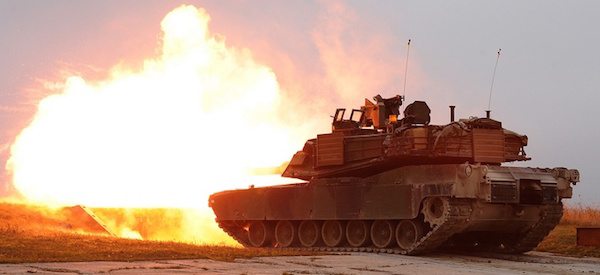
    The U.S. State Department says Riyadh can buy 153 Abrams tanks, 20 of which will replace ones destroyed in combat.

    The U.S. State Department and Pentagon Tuesday OKed a $1.2 billion sale of 153 Abrams tanks to Saudi Arabia Tuesday. But that’s not the real news.

    Turns out: 20 of those tanks, made in America by General Dynamics Land Systems, are “battle damage replacements” for Saudi tanks lost in combat.

    Even though the formal announcement of the sales does not say where the tanks were fighting, the Saudi military is believed tohave lost some of its 400-plus Abrams tanks in Yemen, where it is fighting Iranian-backed Houthi separatists.

    This revelation was tucked inside a benign Pentagonannouncement of the deal, one that for the most part reads just like dozens of other arms sales approved each year. The announcement does not even mention the conflict in Yemen, yet it gives a glimpse into this wildly underreported war between Arab states, the U.S., and the Houthis.

    While the secretive Saudi government has not formally disclosed its battles losses from its 16-month involvement with its neighbor’s civil war, videos posted on YouTube purport to show rebels blowing up Abrams tanks with Iranian-made rockets. A year ago, Houthi fighters reportedly destroyed two Saudi Abrams and captured others. In February, Iran’s state-run Fars News Agencyreported that five more tanks had been destroyed.

    The deal approved by the U.S. government this week also includes 20 armored recovery vehicles, which are used to fix broken or damaged tanks on the battlefield.

    “The proposed sale will improve Saudi Arabia’s capability to meet current and future threats and provide greater security for its critical infrastructure,” a Pentagon notice announcing the approval of the sale said. “The addition of these tanks and recovery vehicles to the [Royal Saudi Land Force] inventory will enhance Saudi Arabia’s ability to support its soldiers in the field and to defend the Kingdom’s borders.”

    In most cases, the State Department and the Pentagon mustformally notify Congress of major arms deals 30 days before contracts are finalized. Congress then has the opportunity to block the sale or take no action.

    In addition to this Abrams tank deal, the State Department has approved two other sales to Saudi Arabia, $200 million fortraining, and $155 million for Gatling guns that defend ships from missiles — sending the week’s total value past $1.5 billion. Still, Riyadh’s 2016 shopping bill has a ways to go to match last year’s total, when State approved more than $20 billion in sales ofships, helicopters, missiles defenses, bombs andammunition.

    Defense One

    Share. Facebook Twitter LinkedIn Email WhatsApp Copy Link
    Previous ArticleIs Saudi Arabia Zion?
    Next Article Aleppo: Is the Turnaround Sustainable for the Rebels?
    Subscribe
    Notify of
    guest
    guest
    0 Comments
    Newest
    Oldest Most Voted
    Inline Feedbacks
    View all comments
    RSS Recent post in french
    • Au Liban, des transactions immobilières de l’OLP suscitent des questions 18 January 2026 L'Orient Le Jour
    • Pourquoi la pomme de la tyrannie tombe-t-elle toujours ? 10 January 2026 Walid Sinno
    • La liberté comme dette — et comme devoir trahi par les gouvernants 2 January 2026 Walid Sinno
    • La « Gap Law »: pourquoi la précipitation, et pourquoi les Français ? 30 December 2025 Pierre-Étienne Renaudin
    • Au Liban, une réforme cruciale pour sortir enfin de la crise 23 December 2025 Sibylle Rizk
    RSS Recent post in arabic
    • لِشهرين أم لِسنتين: الانتخابات النيابية مؤجّلة حُكماً! 25 January 2026 كمال ريشا
    • ثرثرة على ضفة الحركة (2): “الفلسطينيّة” و”العربيّة” 25 January 2026 هشام دبسي
    • الهَلَع يتسرَّب إلى دودج سيتي 25 January 2026 خليل يوسف بيدس
    • قضية “بنك عودة”: كيف تحوّلت الأموال العامة إلى أرباح خاصة 24 January 2026 سمارة القزّي
    • حوارٌ ضروري حول قبرص، والأمن، ونصف القصة الغائب 24 January 2026 يوسف كانلي
    26 February 2011

    Metransparent Preliminary Black List of Qaddafi’s Financial Aides Outside Libya

    6 December 2008

    Interview with Prof Hafiz Mohammad Saeed

    7 July 2009

    The messy state of the Hindu temples in Pakistan

    27 July 2009

    Sayed Mahmoud El Qemany Apeal to the World Conscience

    8 March 2022

    Russian Orthodox priests call for immediate end to war in Ukraine

    Recent Comments
    • Nadim Shehadi on The Panic Seeps to Dodge City
    • Yusuf Kanli on A necessary conversation: On Cyprus, security, and the missing half of the story
    • Mohamed on Inside the Bank Audi Play: How Public Money Became Private Profit
    • JudgmentalOne on A necessary conversation: On Cyprus, security, and the missing half of the story
    • Drivers Behind Audi’s Top-Level Management Shake-Up - Middle East Transparent on Lebanon’s banks are running out of excuses
    Donate
    © 2026 Middle East Transparent

    Type above and press Enter to search. Press Esc to cancel.

    wpDiscuz