



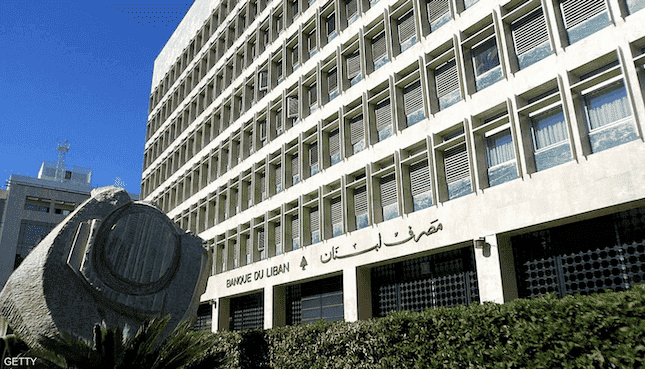
Lebanese depositors have spent six years trapped in a web of restrictions and shrinking options. The Central Bank’s Circular 158 — which began by allowing monthly withdrawals of $400 and was later raised to $800 by the current governor — was meant to ease their suffering. Instead, it has deepened the cash economy and drained liquidity from the banking system.
Most of that $800 ends up outside the formal economy — quickly converted, pushed to household mattresses or handed to cash companies and moved into digital wallets. The more the Central Bank gives out, the more these companies benefit. The Central Bank injects dollars, yet little of it flows back into banks. It’s time to rethink this model.
From $800 to $2,000: Confidence Through Circulation
Raising the withdrawal limit from $800 to $2,000 per month — under a digital-first framework — could transform the system. Linking withdrawals to digital wallets managed by banks would keep liquidity within the financial sector, restore confidence, and level the playing field with cash companies.
With inflation soaring, Lebanese households are desperate for liquidity to cover essentials — not luxuries, but food, fuel, and medicine. A higher withdrawal ceiling would ensure this money is immediately spent locally, stimulating domestic demand and boosting small business revenues. Every dollar recycled through local markets strengthens employment and tax collection rather than speculation.
Digital Payments: The Path Out of the Cash Trap
Most developed economies have already limited large cash withdrawals and promoted digital payments to curb tax evasion and money laundering. Lebanon must follow suit.
By expanding digital wallets and requiring supermarkets, pharmacies, and small businesses to accept electronic payments — while limiting their use of cash — the Banque du Liban could clean up the cash economy and regain oversight of monetary flows. Digital circulation also reduces the need for physical dollars, a key pressure point in today’s fragile financial environment.
Funding the Expansion: Gold as Leverage
Critics will ask how the Central Bank can afford such generosity. The answer may lie in smart balance-sheet management. Lebanon’s gold reserves, now near record valuations, can be collateralized or digitized — not sold — to back controlled digital liquidity. Leveraging this value would temporarily support expanded withdrawals without depleting the country’s core assets.
If the last $400 increase cost the Bank $1.2 billion per year, then a $1,200 increase would cost around $3.6 billion. Assuming BDL does not have that amount available for immediate funding, why not “lock in” the profits from higher gold prices to support a small recovery in economic activity? Growth, in turn, could trigger renewed confidence and further economic momentum.
A Practical Timeline for Repayment
If the $1,200 increase were implemented digitally, each depositor could receive $2,000 per month — or $24,000 per year — totaling about $96,000 over four years. This would be a meaningful step toward restoring access to $100,000-level accounts now under discussion.
This approach emphasizes structured digital payouts, not unsustainable cash financing. It bridges confidence gradually, without worsening inflation.
Confidence Is the Real Currency
A more generous and digitally driven Circular 158 would not be reckless — it would be strategic. It would reduce cash dependency, modernize transactions, and signal that the Central Bank is ready to lead Lebanon into a transparent, technology-driven financial future.
In the end, the question is not whether BDL can afford to be more generous — it’s whether Lebanon can afford for it not to be.
إقتراح جيد لازم يمشي وأفضل بكثير مما نحن فيه
No trust in banks. Restrictions on cash withdrawal would increase the mistrust in banks. The depositors have full right to use their money the way they want and not through digital payments.
Sell the gold now since is the highest price the ever been ?